Jeanie Rub Massager — Complete Buyer's Guide
The Jeanie Rub's Orbital Motion: Why It's Different
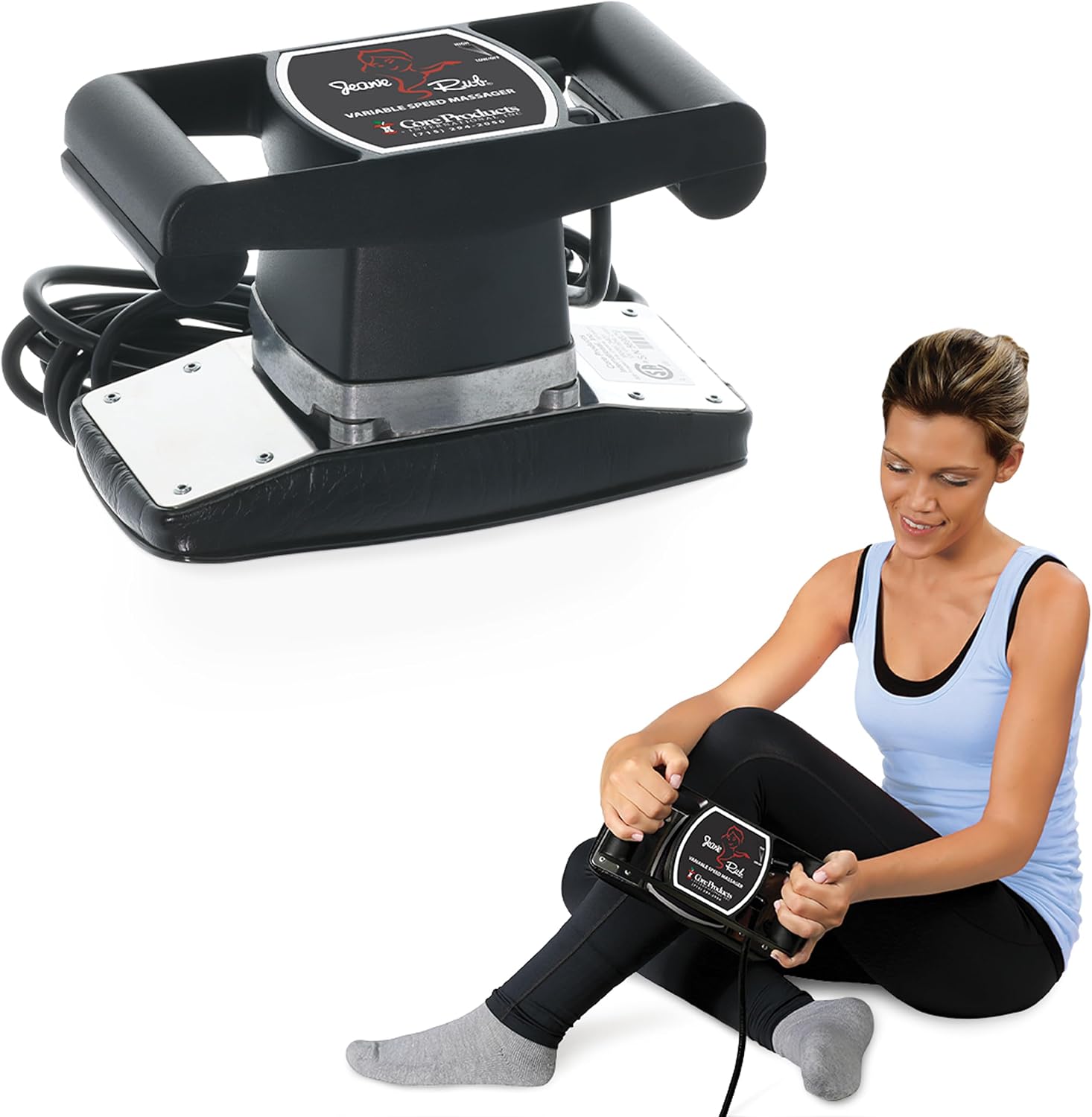
Most consumer massagers — from handheld wands to percussive guns — operate on a straight reciprocating stroke: the head moves in and out. The Jeanie Rub uses a different mechanism. Its motor drives the head in an orbital, figure-eight pattern that moves across the tissue in a broad oval rather than pumping straight in. This distinction matters clinically. The orbital stroke covers more surface area per stroke, distributes pressure more evenly across the muscle belly, and reduces the localized vibration that can cause skin irritation or discomfort during extended massage sessions. It's the mechanical equivalent of a therapist effleuraging with the heel of their hand — broad, even, and penetrating without being harsh.
This is why the Jeanie Rub has been a standard piece of equipment in professional massage therapy and physical therapy settings for decades. The design hasn't changed significantly since Oakworks introduced it, because the core mechanism works well for the task it was built for.
Jeanie Rub Model Comparison
| Model | Includes Cover | Foot Holder | Carry Bag | Best For |
|---|---|---|---|---|
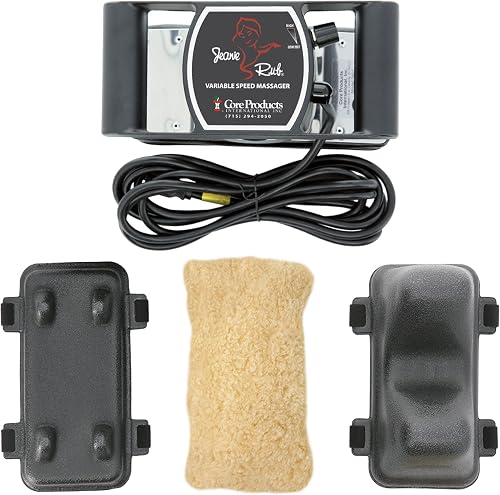
| Variable Speed Unit | Pads only | No | No | Home use or adding to existing kit |
| Sheepskin Combo Kit | Sheepskin | Yes | Yes | Therapists offering full-body sessions |
| Fleece Combo Kit | Fleece | Yes | Yes | Multi-client clinical environments |
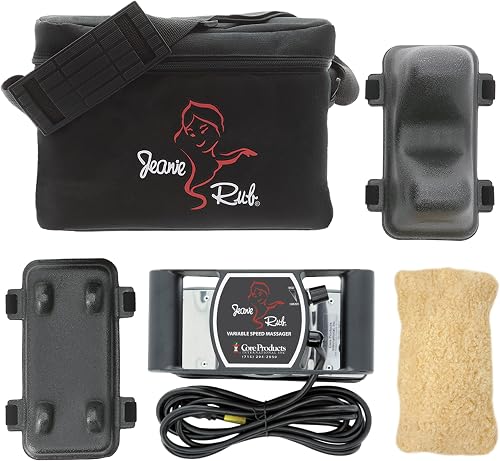
| Deluxe Kit | Both covers | Yes | Yes | Full professional practice startup kit |
| Pro Kit | Both covers | Yes | Yes | Advanced therapists, extended setups |
Kit contents based on product listings. Verify included accessories before purchase.
Sheepskin vs. Fleece: Which Cover to Choose
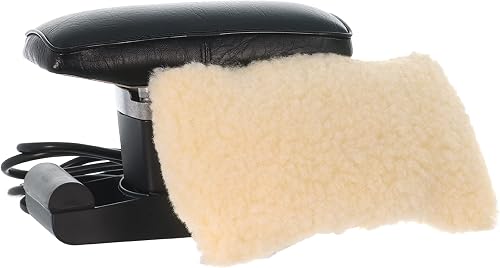
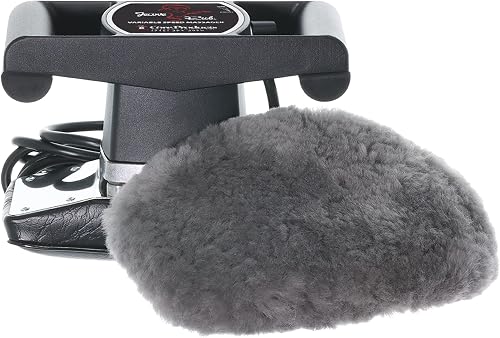
The Jeanie Rub's applicator pads and covers are what determine the texture of contact between the massager and the client's body. The two primary cover options are sheepskin and fleece, and each has a distinct feel and maintenance profile. Sheepskin is a natural wool product — the wool pile compresses under the massager's orbital motion and springs back, providing a soft but textured contact that many therapists and clients associate with traditional massage. Sheepskin covers are machine washable but take longer to dry than synthetic options and can compress and mat over time, eventually requiring replacement.
Fleece covers are made from synthetic microfiber that mimics the soft contact of sheepskin but dries faster and is easier to clean between clients in a clinical setting. For therapists who work with multiple clients per day, the faster turnaround time of a fleece cover can be a practical advantage. The massage feel is slightly different — a bit smoother and less textured than sheepskin — which some clients prefer and others don't. If you're purchasing your first kit and are unsure, the Fleece Combo Kit is typically the more practical starting point for clinical work, and the sheepskin cover can be added separately when preferred.
Using the Jeanie Rub at Home vs. Professional Practice
- Home Use: The Variable Speed unit alone is sufficient for home massage. Most home users don't need the foot holder or carry bag and would simply be paying for accessories they won't use. Start with the base unit and add covers or the foot holder separately if you find specific applications you want to expand into.
- Professional Practice — Solo Therapist: The Sheepskin or Fleece Combo Kit is the standard starting point. The carry bag makes transporting the massager to clients or between rooms easy, and the foot holder extends the range of services you can offer. Both kit types provide everything a single-therapist practice needs from day one.
- Professional Practice — Clinic or Spa: The Deluxe or Pro Kit gives you both cover types, allowing you to switch between them based on client preference without purchasing separately. Having both on hand also provides a backup when one cover is in the wash.